EMPTY DOM REMOVE PROTECTOR

Travel plug Netherlands 🇳🇱

When you travel to the Netherlands or bring equipment from countries outside Europe, you often need a travel adapter for the Netherlands. In the Netherlands, type C and type F sockets are used, with a mains voltage of 230 volts and 50 Hz. Travelers from countries such as the United States, Canada, Mexico, Japan, China and many Caribbean countries use different plug types that don't fit into Dutch sockets without an adapter. A travel adapter is therefore essential when you want to use your devices safely in the Netherlands.

Filters

Sort by:

3 products

Save €10,00
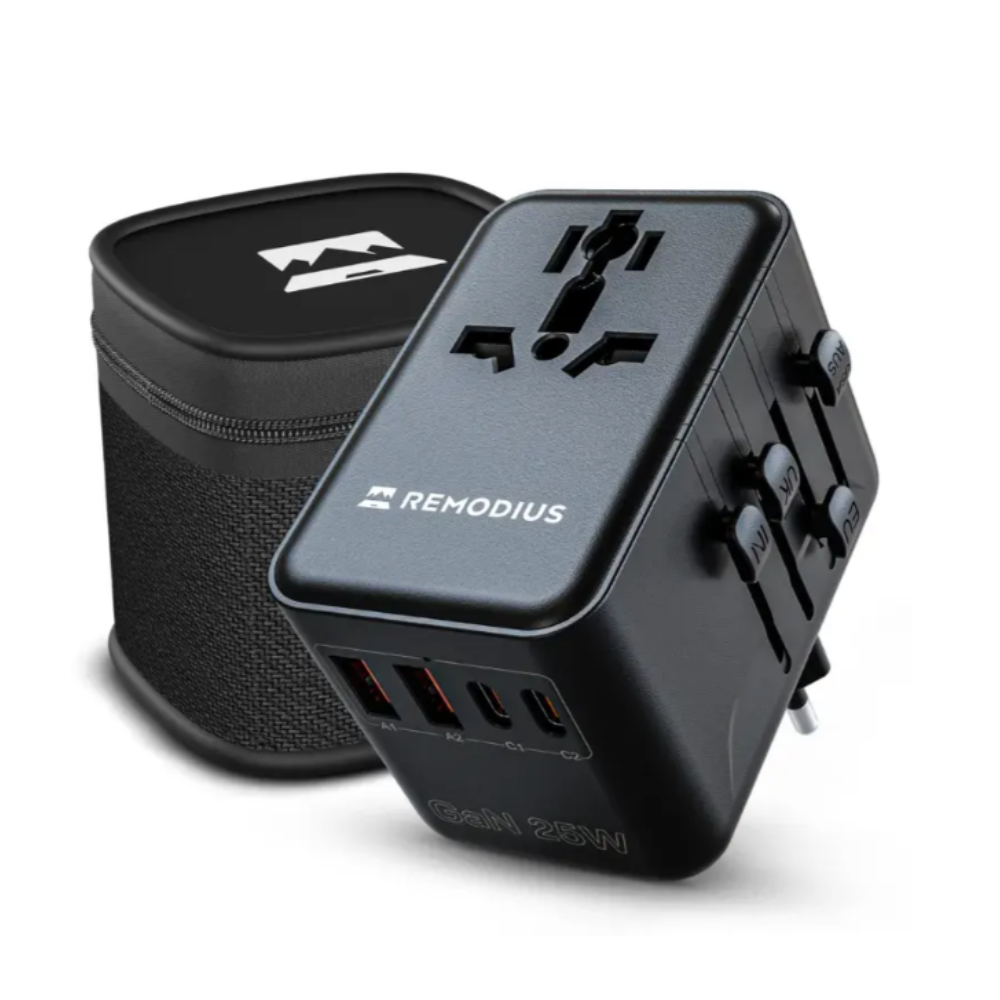
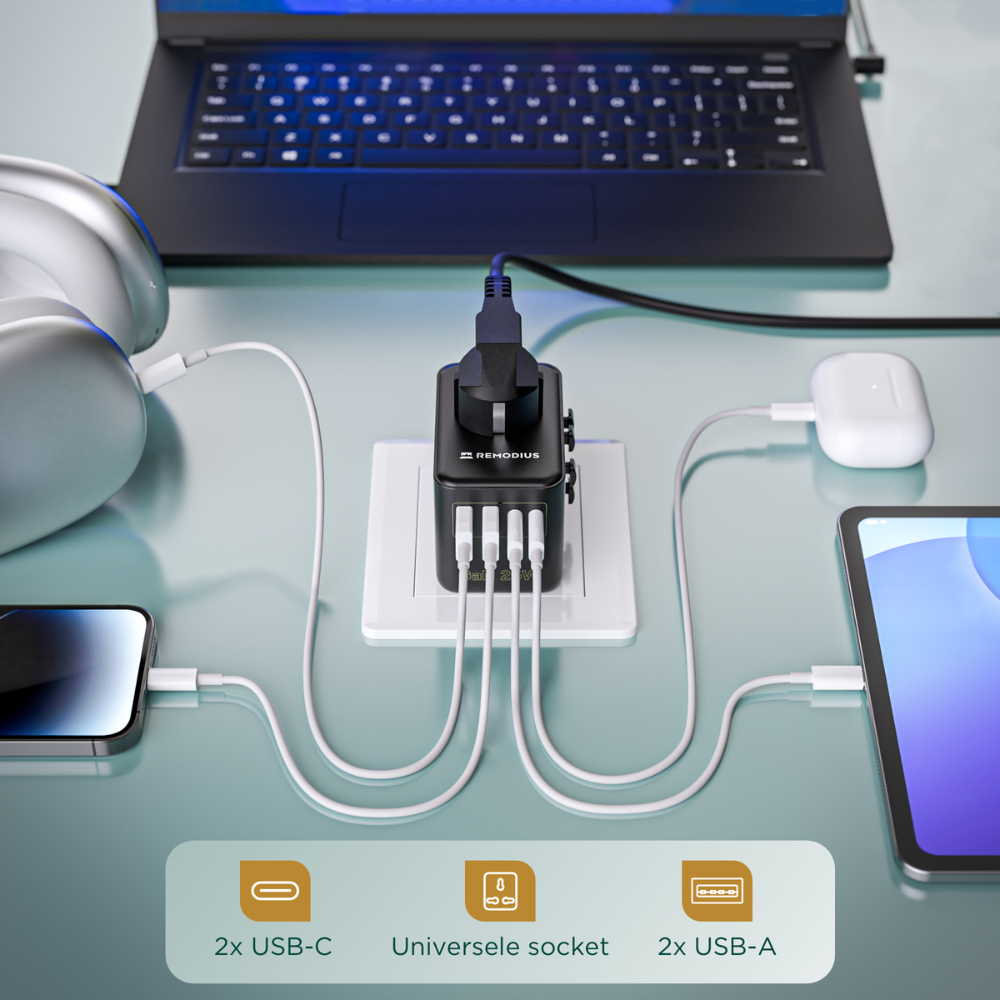
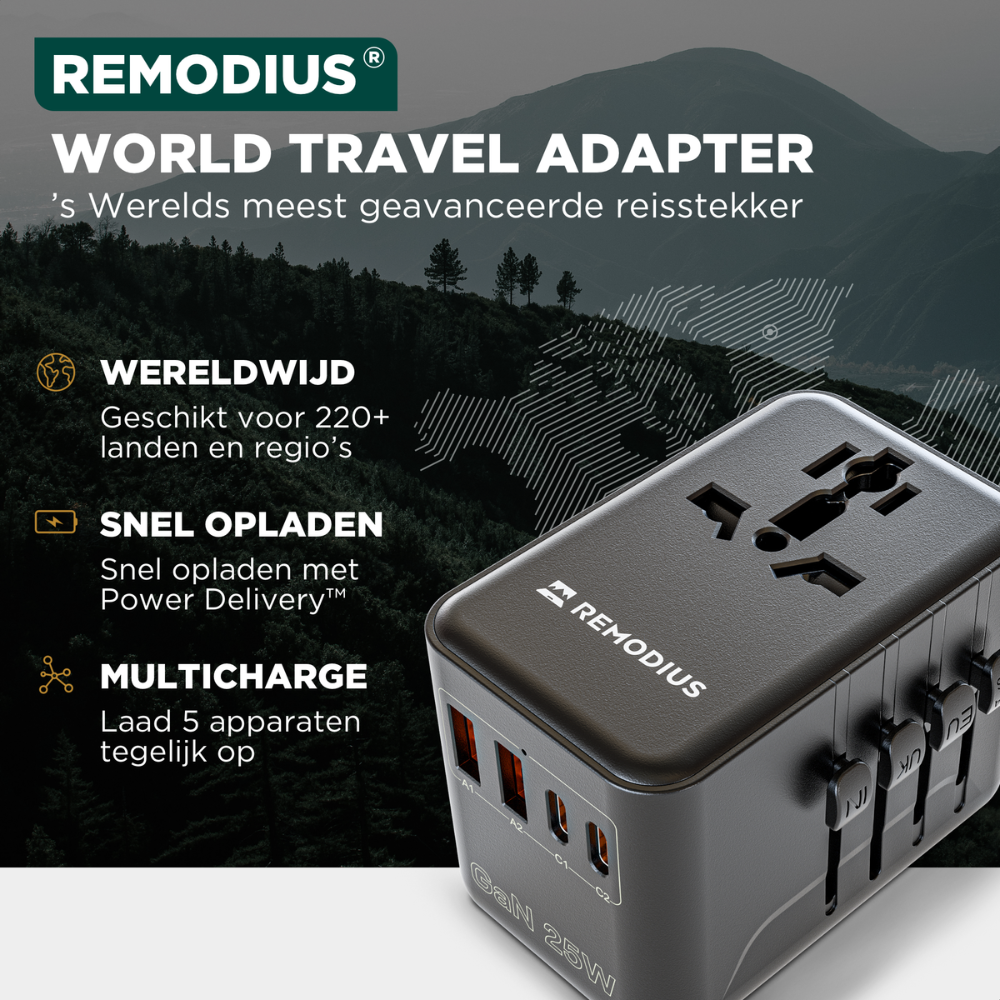
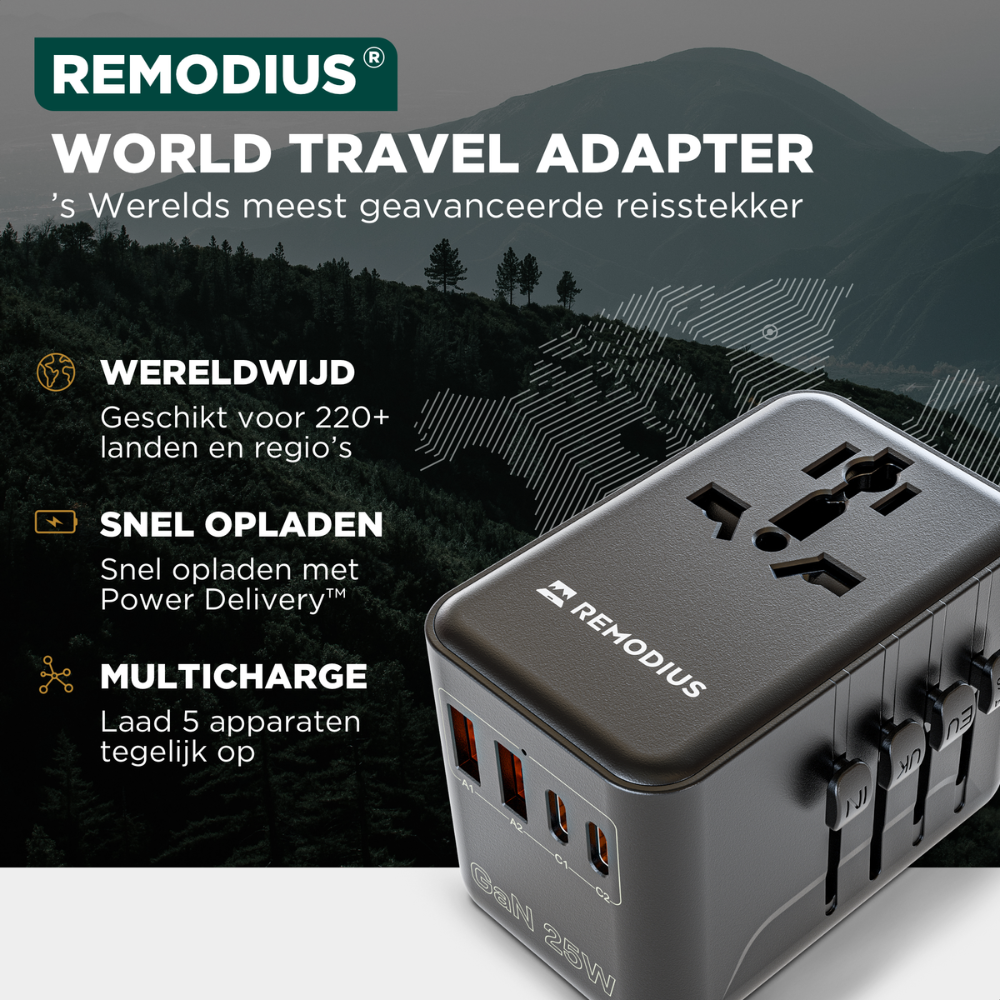
Wereldstekker – Remodius
Universal Travel Adapter Sale price€29,95 Regular price€39,95
Save €10,00
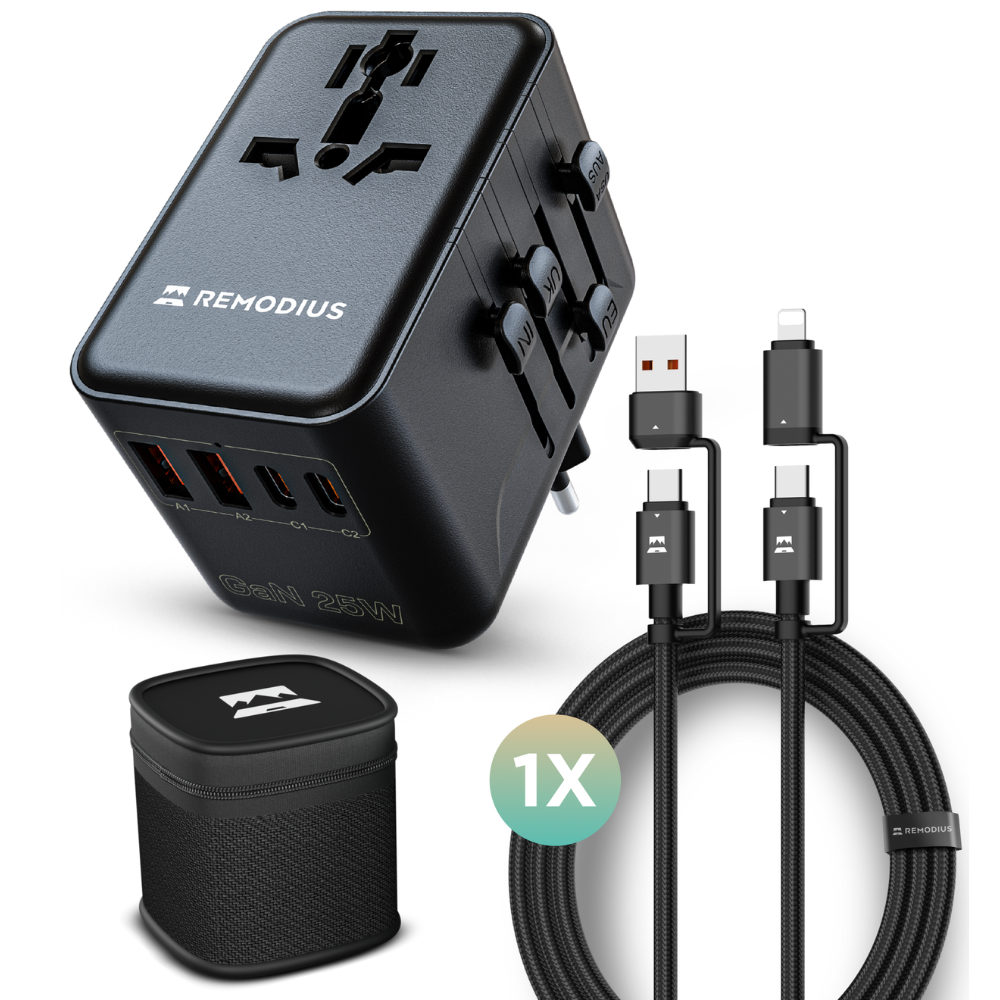
Wereldstekker incl. 1x oplaadkabel – Remodius
Universal Travel Adapter incl. 1x Charging Cable Sale price€39,95 Regular price€49,95
Save €15,00
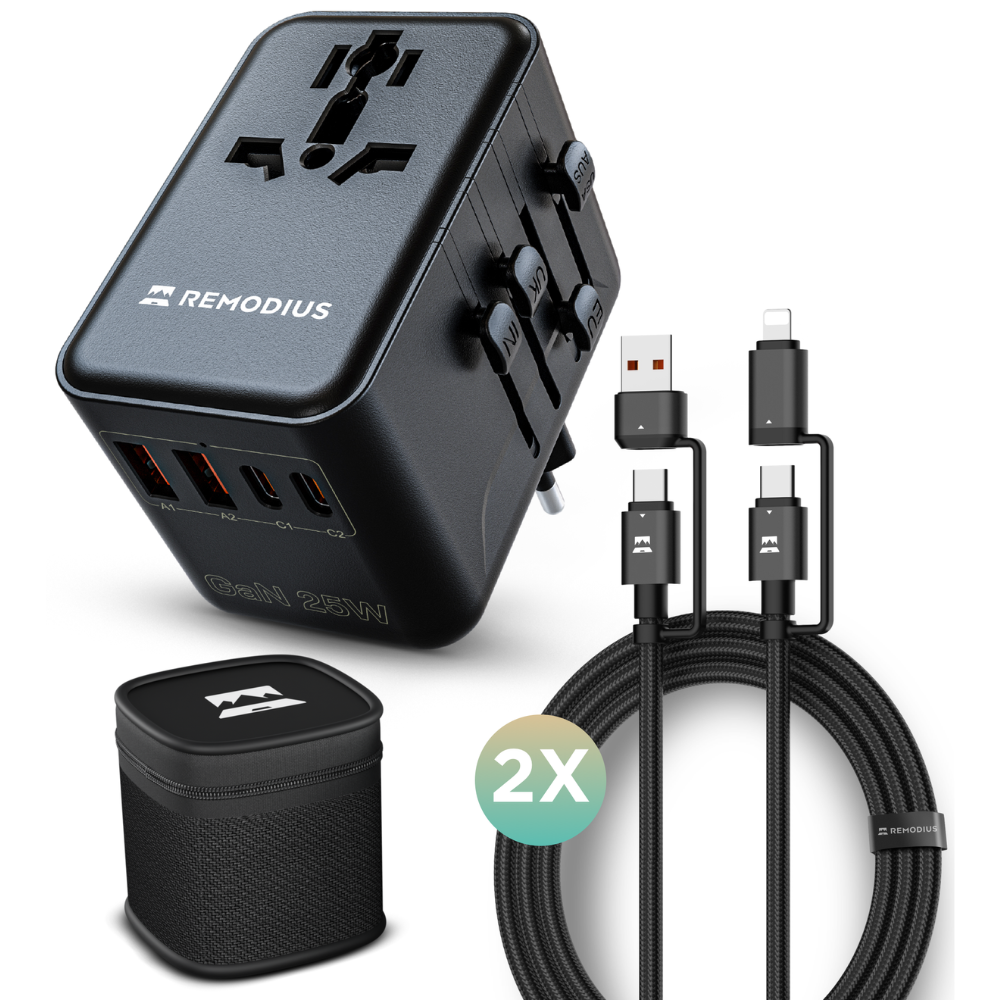
Wereldstekker incl. 2x oplaadkabel – Remodius
Universal Travel Adapter incl. 2x Charging Cable Sale price€44,95 Regular price€59,95

Which plugs are used in the Netherlands?

The Netherlands uses two types of connections:

  • Type C – European standard with two round pins
  • Type F – German Schuko plug with earthing

Both outlets work on 230V. If you come from a country that uses flat pins, such as the United States (type A/B), or triangular pins like the United Kingdom (type G), then a travel adapter is needed. This also applies to travelers with equipment from Australia (type I) and India (type D/M).

Anyone who travels to Europe regularly would do well to choose a world adapter or multi-adapter that supports type C/F, so you don't have to buy a new adapter for every visit.

Voltage in the Netherlands (230V) – do you need a converter?

The Netherlands works on 230 volts and 50 Hz, which is higher than the voltage in many parts of the world. In the United States, Canada and the Dominican Republic, for example, 110-120 volts is used. So always check whether your device can handle the higher voltage. You can see this on the device's label or on the charger. If it says:

“Input: 100-240V / 50-60Hz”

Then you can safely use the device with just a travel adapter.

Does it say only 110V / 120V, without 220-240V?

Then you need a voltage converter to prevent damage. This may particularly apply to:

  • Hairdryers and straighteners
  • Electric shavers or trimmers with a motor
  • Kitchen appliances or machines with a heating element
  • Medical equipment that is not suitable worldwide

Modern chargers for phones, laptops, tablets, cameras and e-readers are almost always suitable for use in the Netherlands.

Which travel adapter do you need for the Netherlands?

That depends on where you come from. In most cases a world adapter that supports type C/F is sufficient. Travelers from the US, Canada, Mexico, Japan, China, India, Australia and the United Kingdom, among others, need at least an adapter with which their plug fits into type C or F.

Are you also traveling to other European countries such as Belgium, Germany, France, Italy or Spain? Then one world adapter has you covered right away, because these countries use the same or similar connections.

Buy the right world adapter for the Netherlands from us

We sell several models suitable for use in the Netherlands, from compact travel adapters to world adapters with USB and PRO models with fast charging ports. Perfect for travelers, international students, expats, business travelers, digital nomads and foreign guests.

Ordering is easy: choose your model, place your order and we ship lightning fast.

Conclusion: what do you need when you travel to the Netherlands?

  • You need a type C/F travel adapter if you use plugs from the US, Canada, UK, Japan or Australia, among others
  • You don't need a converter if your device works on 100-240V
  • You do need a converter for devices that only support 110-120V
  • The safest choice is a world adapter that covers multiple countries, including within Europe

With the right adapter you can safely and hassle-free use all your devices during your stay in the Netherlands.

Reisstekkers per land